
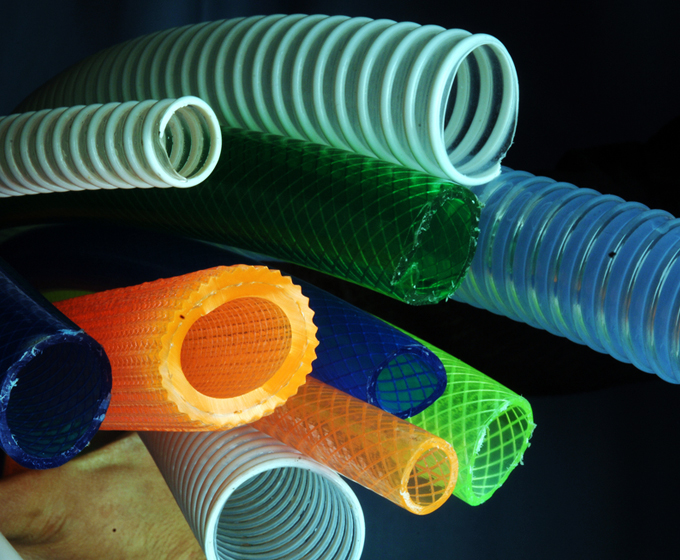
Hoses and Pipes
Carbon black, with its higher volatile content, acts as a free radical and effectively inhibits the chain reaction that leads to the decomposition of high-density polyethylene (HDPE). As a result, it provides an additional increment of ultraviolet (UV) absorption. Prolonged exposure to UV rays in sunlight breaks the molecular chains of PE, generating free radicals. Carbon black serves as the most economic UV stabiliser.
By compounding an appropriate quality of carbon black, ensuring proper dispersion and distribution with polyethylene, it becomes possible to prevent UV degradation of pipes for several years, even when stored in open sunlight. In the context of butyl inner tubes, carbon black can improve the processing performance of the rubber compound and improve its comprehensive index, particularly its mechanical properties. It boosts the elongation and elasticity of the rubber in the butyl inner rubber compound, reduces heat generation, and enhances the ageing resistance of the rubber compound. Additionally, its elasticity and resilience make it an ideal reinforcing agent.

Conveyer Belts
Industrial conveyor belts are utilised to transport materials or components of varying shapes, sizes, and weights from one location to another. The implementation of conveyor belts results in reduced operation time, material loss, and optimised cost benefits. These belts play a crucial role in automation solutions within manufacturing plants. At Epsilon Carbon, we focus on meeting the dynamic requirements specific to conveyor belts, ensuring their efficient and reliable performance.
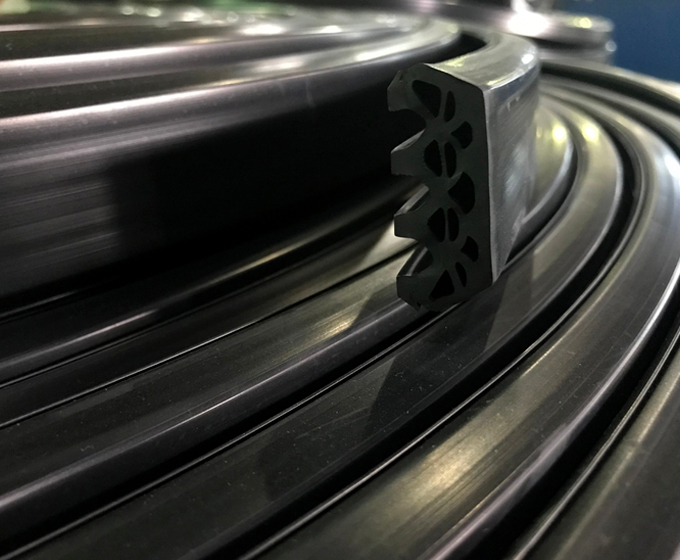
Profiles
Profiles are employed to protect vehicle interiors from rainwater, dust, and noise. They are manufactured using a special extrusion forming process that involves compressing, melting, and extruding solid-state rubber material, which is influenced by slip conditions at the inner wall of the head, shear viscosity, and flow vorticity. We offer products that meet the industry’s requirements for flow profiles, streamlines, and temperature distribution.

Rubber Goods
Carbon black is a crucial ingredient in the production of industrial and mechanical rubber products, contributing significantly to enhancing their performance. By blending carbon black with natural and synthetic elastomers, elemental sulphur, processing oils, and other organic processing chemicals, and subjecting the mixture to heat, it imparts reinforcement and improves the resilience, tear strength, conductivity, and other essential properties of a wide range of vulcanised rubber products.
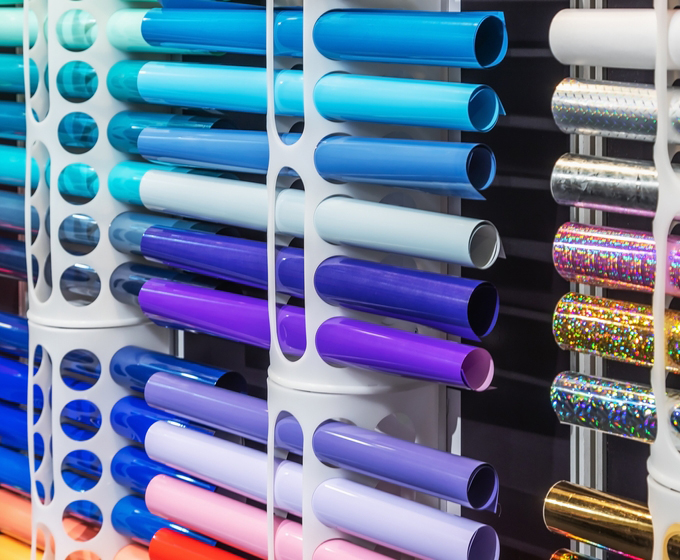
Fabrics & Films
Carbon black finds extensive application in the films and fabric industry to achieve a broad spectrum of colours, ranging from grey to deep black. The properties of carbon black pigment have evolved over time to meet specific requirements in the final product, such as increased tinting strength, improved levels of black pigmentation, blue undertones, and conductivity. We specialise in meeting the industry’s needs for light protection, colouring, and conductivity enhancement.
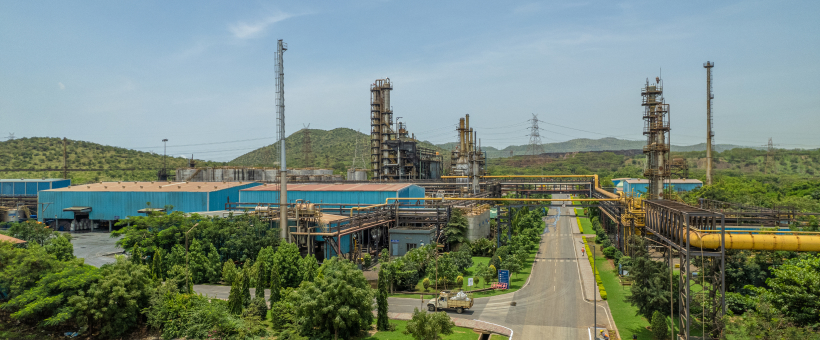
Product Stewardship
Sustainable product innovation is one of our key strategic growth pillars and is driven from the highest levels within the organizational structure to design products that deliver environmental benefits to consumers

Quality Management
We mainly target our raw material suppliers for this activity. The selected suppliers are encouraged to submit data in line with Quality Management System (QMS) requirements.